Last year (after a gracious and generous gift from family friends) my sons became the proud owners of more than 30 Secrets of Droon books! This series became a literary obsession for my youngest son. Book after book, he seemed to never tire of the characters and their ongoing magical adventures. Finally, this week, I checked out the last few books from our public library. It feels a bit like a rite of passage to finally complete the full series. When we first began reading these books – my youngest son couldn’t independently read the text (which is leveled at approximately 2nd or 3rd grade). He waited patiently for me to sit with him or begged his brother to indulge him by reading aloud. In a pinch, I was even known to hand the nine year-old a buck as a bribe to read aloud to his sibling while I cooked-up dinner. Little by little, as my youngest has gained new reading skills, he has independently checked in with these books to see if he can conquer them alone. The series became his great motivator: his personal goal was to read a Droon book on his own before the summer after 1st grade. I think he’ll just make it! I often recommend the series to other families who are looking for something to hook their young reader. Third and fourth grade boys can sit down with these gems and equally enjoy the fantasy Tony Abbot weaves together. Straight forward and high interest: These ain’t no baby-books! I have seen children up to age 10 enjoy this series. When I explain the Secrets of Droon series to other Moms, I always disclose two main points: 1) Droon is like ‘Harry Potter’- but for the younger set. Three young children find themselves in a magical world of adventure, danger, and mystery! There are good wizards and bad wizards. There is a magical door between our world and theirs. You root for the hero and wonder how they’ll ever defeat the enemy. 2) Droon is not great literature. So many twists, turns, characters, subplots, secrets, reveals, and dream sequences -- I can barely keep up. However, the kid-friendly suspense does hook young readers like nobody’s business. Of course, with this series (as with all chapter books), I involved my boy in the ‘reading’ from the very start. Below are a few of the pre-reader activities that I used as soon as we began to enjoy this series. Activities like this can help develop the ‘reading readiness’ skills that will provide a foundation for later success. 1) Explore the Title Page. Toddlers: Point to the title as you read it aloud. Talk about how the Title Page is similar to the book’s front cover. Preschoolers: Point to the name of the author while you say it aloud and show your child a picture of the author (if it is available on the inside of the back cover.) If there is a series logo, draw attention this mark and ask about it each time you read one of the books included. Just as a child can ‘read’ the golden arches of McDonald’s – they can recognize the symbol designate to a book series. Beginning Readers: Now include your child in the reading of the title. They should be able to begin read small words like... the, it, and, or on. You can also model ‘sounding out’ any words that follow simple phonetic rules. As your child’s skills progress, have them take charge of reading the title aloud in full before you begin reading the story. In addition, ask your child to predict what the title and the picture on the front cover might be revealing about the story inside. 2) Investigate the Table of Contents. Toddlers: Point to the title of each chapter as you read them aloud. Count (aloud) the number of chapters and note how you can find the page on which each begins. Preschoolers:Ask your child to count the number of chapters that are in the book. Point to a chapter – read its title out loud – and ask your child to say the number of the page where it will begin. Do this for several of the chapters (in no particular order). Beginning Readers: Now include your child in the reading of the titles. Without pointing at a particular chapter, just read aloud its name and ask your child to identify its page number start. As your child becomes more familiar with this task, turn these questions around and say a page number before asking them to find the corresponding chapter’s title. Ask your child to predict what may happen in the book based on the all the chapter title names. 3) Starting Each Chapter Toddlers: Ask your child to identify the number printed at the start of the chapter. You could also point to the page number and read that number aloud to them. Point to the chapter title as you read it aloud. Preschoolers: Ask your child to identify the page number. Turn back to the Table of Contents and show them where this information is noted. Ask them how many chapter have been read before this one and how many will follow. Beginning Readers: Slowly release responsibility of reading the chapter number and titles to your child. This will soon become automatic. When ready, ask them to start also taking responsibility for the first sentence. This gradual shift is key when your child has enough skill to read the words, but not enough practice to read the text fast enough to enjoy the plot. The act of reading the chapter’s title and first sentence involves them, but doesn’t overwhelm them. They can enjoy the story line, but also become aware of their own progress and growing ability to tackle the words on the printed page. Finally, here’s a video of my son and I talking though many of these same activities. After talking through these activities with my son (month after month), he’s an old pro. It’s proof positive that every bit of reading practice squeezed-in, can help prepare a child for the independent reading that lies ahead. Add Comment Lego Lover... 05/01/2012
What do you buy a boy who has TOO MANY Legos?? He would answer: “More Legos! There is no such thing as too many!” However this past Christmas… I answered: “Lego Books!” There are a variety of great Lego books on the market. These books can spark the animation of a young builder while also providing one more reading opportunity. Here are my son’s favorites: Fort Building 101... 04/15/2012
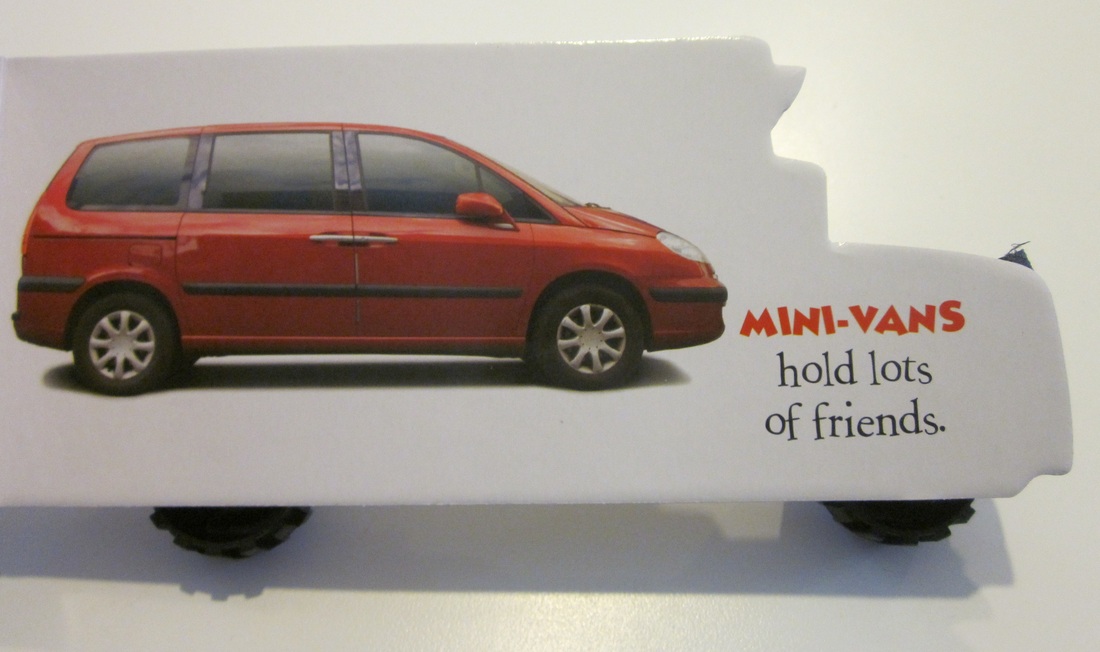
Thank you to Melody who passed on this book title to my family: Generations of children have been throwing a sheet over the dining room table to create a magical club house. This book shows all the variations of that theme while also offering a few new ideas. This book inspired a frenzy of fort building at our place - perfect for the span of nice weather we enjoyed in early March. First came the "lean-to shelter". Made from cuttings off the apple tree, it was covered with a blanket to create a shady spot for an afternoon snack. Next came a "simple remodel" of a large cardboard box and (with additional resources) an "advanced remodel". Scissor work completed by children. X-acto knife commandeered by Mom. Then came the "cover the play structure with all the blankets and sheets we can find" fort. This seemed to be a big hit because it held the most friends and provided privacy from adults. When I did peek inside, I found the kids sitting inside talking about what to do next. The consensus: the construction phase of a project is the most fun. Little Bear... 04/08/2012
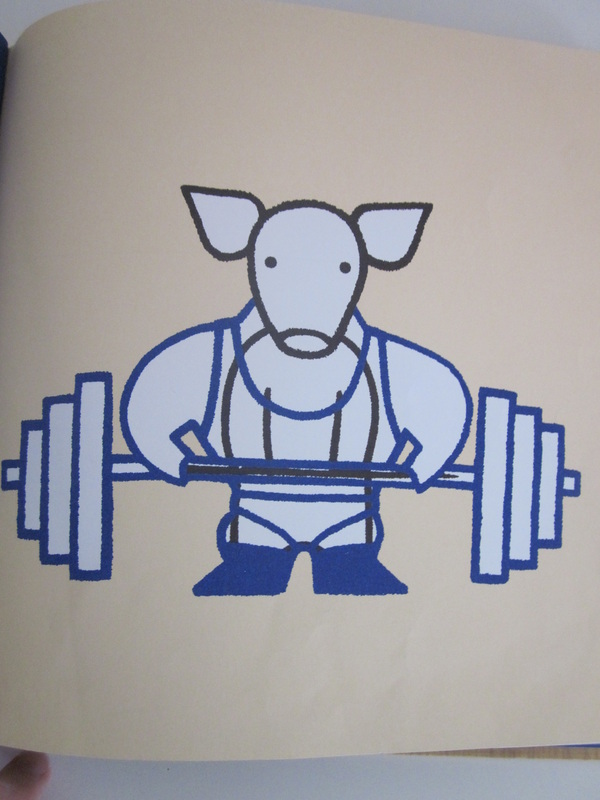
Little Bear books by Else Holmelund Minarik are not for beginning readers who are looking to reinforce basic vocabulary. Instead, these delightful books (filled with dialogue) help basic readers who are developing their inflection and fluency. In the video here, you'll see my son read one short chapter in this book. Notice his self-corrections, the repetition of phrases and his eagerness to find the rhythm and meaning of the conversation between the animals. These are advanced reading strategies - all within an age appropriate genre that seems to tickle his funny bone. I am always fascinated when I hear my boy read. His progress pleases me. He's done the hard work to make all those letters, and dots and dashes, come together to tell a story. With Little Bear on the page --- that's a story we can all understand and enjoy together. Cultural Cooking... 03/26/2012
At school, my oldest son is studying the nation of Vietnam. He's done quite a bit of research and is now in the midst of writing a school report. To supplement his learning, I checked out a variety of books from the public library - and made sure to include a children's cookbook. I like cooking with my boys because... 1) We have to eat. We have to cook. 2) Cooking is a natural way to teach measurements. 3) Doubling a recipe is a great way to learn fractions. 4) I want to raise future-husbands who can cook. :) While children's cookbooks provide easy to follow directions, the real reason I adore them is the colorful photos.I find that a picture of a new food is much more tempting to my young eaters than a simple list of ingredients. My son read through the book, added the items we needed to our grocery shopping list, and led the charge on the night of our Vietnamese dinner. Our chosen entree: Vietnamese Fish Cakes. And for our dessert (don't ever forget dessert): Banana and Pineapple Fritters. Cook books are also a great resource for school vacations. This past winter, I checked out a wide variety of recipe books for my first grader. We enjoyed potato latkes, butterscotch brownies, and apple oatmeal cookies. A few months ago, another mom heard of our cooking adventures and asked: "You really like to cook?" While I understood her assumption, I had to answer honestly: "No," I replied. "We just really like to eat." Growing... 03/19/2012
For my oldest son, 4th grade has been the year to go from 'little kid' to 'big kid'. His feet are getting bigger. He’s earned more freedom (and responsibility) at home. He was assigned his first oral presentation at school. My son took to this new school assignment immediately. He worked at home for several evenings, seriously pouring over his books. I admit to occasionally hovering over his shoulder and asking questions, but otherwise I stayed hands-off as he prepared his notes, speech outline, and visual aids. Asked to tell his classmates about the life and work of Cesar Chavez, my son created a timeline to tell of Chavez’s birth, his childhood in poverty, and the experiences that led him to found the National Farm Workers Association. Although I was not well versed in the history of this famous man (or his methods), I did have one resources that I couldn’t help but offer to my son. The Circuit by Francisco Jimenez is a powerful book that details the life of migrant farm workers. Written from the perspective of a growing boy, the historical fiction gives life to children who speak a different language, change schools often, labor beside their parents, and dream of a better life. I first read this book as part of a university class, but find the writing and message equally accessible to a fourth grade reader. My son was quiet when he read the book and clearly interested in the story. When done, he told me: “It’s sad, Mom.” Later at the grocery store, he asked me: “Are those union grapes?” Yes, he’s getting bigger, growing older, and stealing his mother’s heart… again and again! More Begninning Readers... 02/25/2012
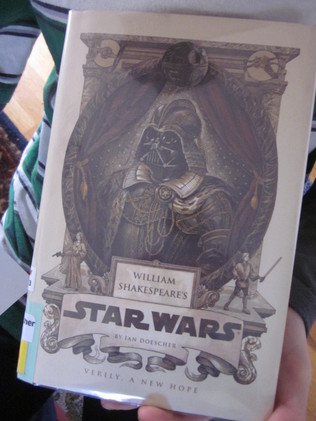
Here's another beginning reader set that we often pick up at our local library. These non-fiction narratives are simple in structure and format, with each book focusing on one specific phonic sound. Large pictures and simple sentence structure don't overwhelm an emerging readers and provide an opportunity to discuss the letter/sound "focus." Just one more tool for your reading-development work belt. After just two pages of this book – I was ready to put it down. The main character made some pretty unkind comments about his classmates and I was quickly tiring of his attitude. But…. I continued on and soon found that the negative tone was all part of the author’s plan. Now... I’m a Yoda convert and eager to spread the word about this book. The Strange Case of Origami Yoda chronicles the complicated life of a small group of sixth grade boys. That means the ups and downs of passing between classes, the rough and tumble ribbing of friends in the cafeteria, and the craziness of liking girls but perhaps no really liking the liking of girls. Like I said: It’s complicated. The book format offers the perspective and voice of several middle-school aged boys and girls. It also includes doodles in the margins and narrator notes at the end of each chapter. Author Tom Angleberger moves the story along quickly and cleverly builds the plot line until the main character (from those first two pages) comes to the realization that unkind comments can hurt you, just as much as the people you’re speaking about. Of course, this is all done very smoothly and includes ... drum roll please….. a slew of Star Wars references and directions on how to fold an origami yoda. Ubercool. My 9 year old enjoyed this story. He skimmed through the part about school dances and focused primarily on the creative problem solving of origami yoda. We followed this read with Darth Paper Strikes Back. I liked this book even better. There was definitely a good vs. evil vibe, a happy ending, and lessons learned. My nine year-old kept stopping so he could re-read passages aloud to me that thought were funny: which slowed down his reading quite a bit because that included a LOT of passages. As a mommy of a growing boy, I sometimes use books as a gateway to conversations I want to have with my son. He's not always willing to sit through a lecture from his mother about his behavior or choices, but he's almost always willing to talk about "Dwight's issues" and "Tommy's reaction" from the story. I give this book two thumbs up and would recommend it (bundled with a pack of origami paper and a Star Wars DVD) as the ultra cool birthday gift for the 5th-8th grader you love. President Portraits 02/03/2012
Q: What do you get when you mix art and history? A: Another great book of portraits by Hanoch Piven! After falling in love with Portrait Poems this past summer, I checked out other books by the same author and found this beauty: The book includes facts, quotes, and humorous stories about our nation's past executive leaders while also displaying pictures constructed from related objects. (I.e. Ronald Reagan's mouth is made from Jelly beans!) Interesting anytime of the year -- but perhaps especially so for President's Day: February 20th! Flying over the top... 01/26/2012
What do you do on the rainiest weekend ever??? You make paper airplanes! Here are the ultimate reference guides for those aeronautical engineers bouncing off your walls. These books offer both the directions and the paper needed for indoor fun. |


RSS Feed